



Lactate Dehydrogenase
LDH
Lactate Dehydrogenase (LDH) is an enzyme that catalyzes the conversion of pyruvate, the end product of glycolysis, into lactate (and vice versa) with concomitant interconversion of NADH and NAD+. LDH is comprised of two major subunits, LDH-A and LDH-B, which can assemble into five different isoenzymes (LDH1, LDH2, LDH3, LDH4, and LDH5).
LDH-A is also known as the M subunit as it is predominantly found in skeletal muscle, and LDH-B is also known as the H subunit as it is predominantly found in the heart. LDH-A is a vital metabolic enzyme that is associated with cancer development, invasion, and metastasis. LDH-A is also the key player of the Warburg effect. LDH-A has been reported to correlate with clinicopathologic characteristics and survival outcome of multiple cancers. The inhibition of LDH-A has an anti-proliferative effect on primary breast tumors. LDH-B is a crucial glycolytic enzyme that catalyses conversion of lactate and NAD+ to pyruvate, NADH and H+. LDHB plays an important role in autophagy in cancer cells.
All Product Categories
-
Lactate Dehydrogenase Related Products (127)
Related Products (127)

-
Antibodies (7)
-
Oxamic acid sodium
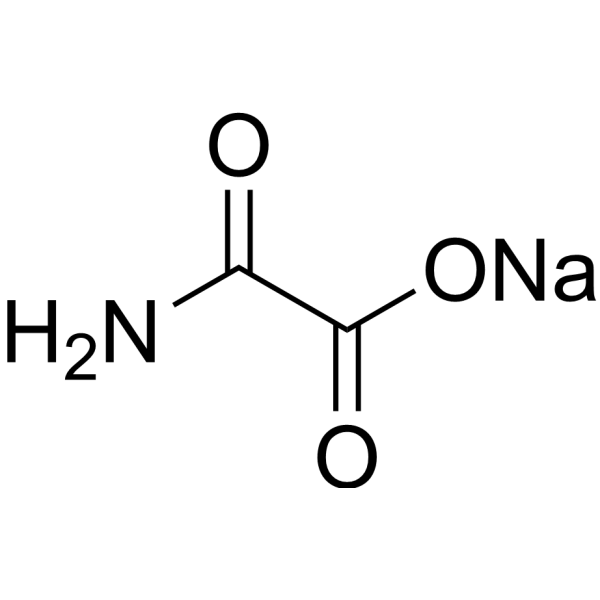 0 ImagesSynonyms: Sodium oxamate
-
GSK2837808A
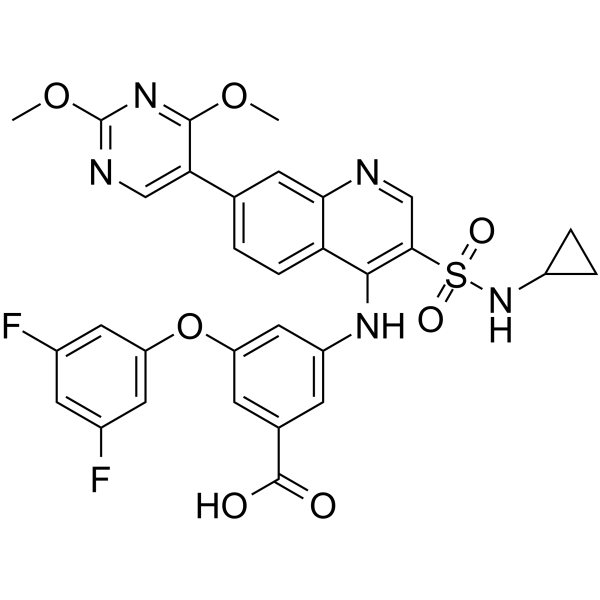 0 ImagesGSK2837808A is a potent and selective lactate dehydrogenase A (LDHA) inhibitor with IC50s of 2.6 and 43 nM for hLDHA and hLDHB, respectively.
-
Beta-Sitosterol (purity>98%)
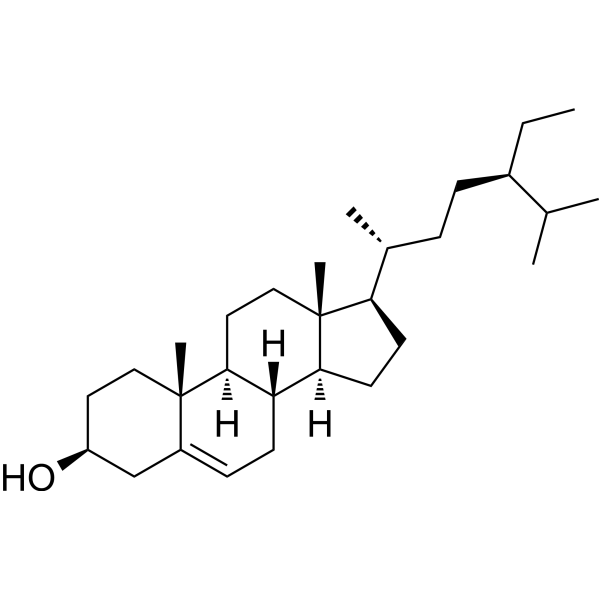 0 ImagesSynonyms: β-Sitosterol (purity>98%); 22,23-Dihydrostigmasterol (purity>98%)Beta-Sitosterol (purity>98%) is orally active. Beta-Sitosterol exhibits multiple activities, including anti-inflammatory, anticancer, antioxidant, antimicrobial, antidiabetic, antioxidant enzyme, and analgesic. Beta-Sitosterol inhibits inflammation and impaired adipogenesis in bovine mammary epithelial cells by reducing levels of ROS, TNF-α, IL-1β, and NF-κB p65 and restoring the activity of the HIF-1α/mTOR signaling pathway. Beta-Sitosterol induces apoptosis in cancer cells through ROS-mediated mitochondrial dysregulation and p53 activation. Beta-Sitosterol exerts its anticancer effects in cancer cells by activating caspase-3, caspase-8, and caspase-9, mediating PARP inactivation, MMP loss, altered Bcl-2-Bax ratio, and cytochrome c release. Beta-Sitosterol modulates macrophage polarization and reduces rheumatoid inflammation in mice. Beta-Sitosterol inhibits tumor growth in multiple mouse cancer models. Beta-Sitosterol can be used in the research of arthritis, lung cancer, breast cancer and other cancers, diabetes, etc.
-
FX-11
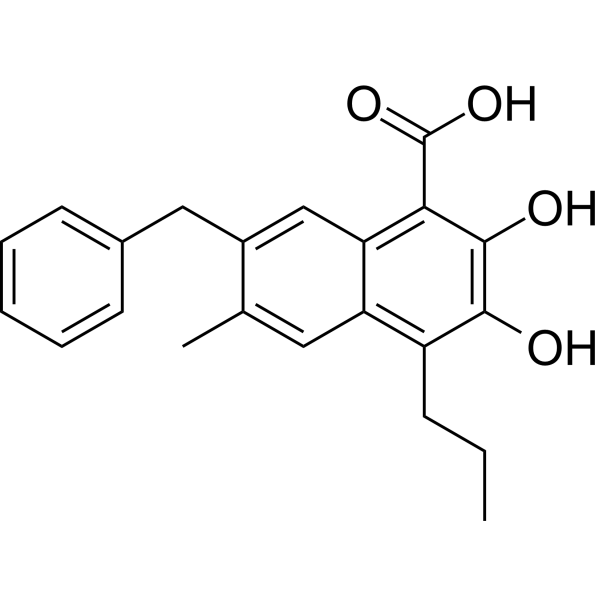 0 ImagesSynonyms: LDHA Inhibitor FX11FX-11 is a potent, selective, reversible and competitive lactate dehydrogenase A (LDHA) inhibitor, with a Ki of 8 μM. FX-11 reduces ATP levels and induces oxidative stress, ROS production and cell death. FX-11 shows antitumor activity in lymphoma and pancreatic cancer xenografts.
-
(R)-GNE-140
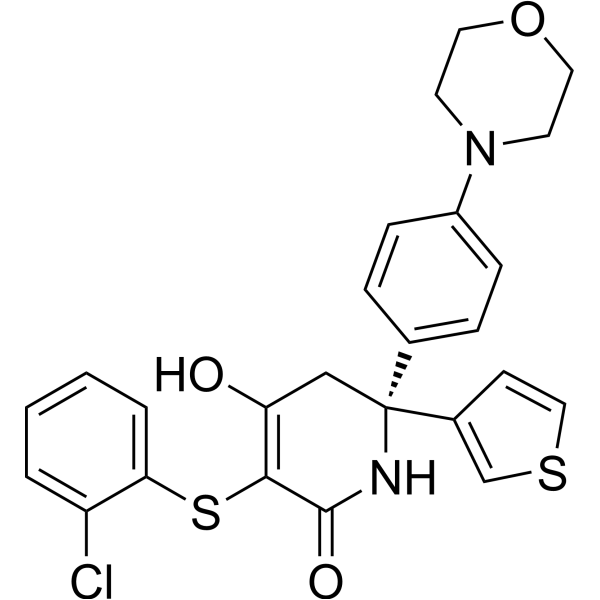 0 Images(R)-GNE-140 is a potent inhibitor of lactate dehydrogenase (LDH) A, B and C, with IC50 values of 3, 5 and 5 nM against LDHA, LDHB, LDHC, respectively. (R)-GNE-140 blocks the conversion of pyruvate to lactate, reduces lactate production and histone lysine lactylation, and inhibits glycolysis. (R)-GNE-140 attenuates cardiac hypertrophy, alleviates PM2.5-induced pulmonary inflammation and fibrosis, blocks MRSA-induced Arg1 expression. (R)-GNE-140 is applicable to research related to pathological cardiac hypertrophy, pulmonary fibrosis, MRSA infection and pancreatic cancer.
-
Ravoxertinib
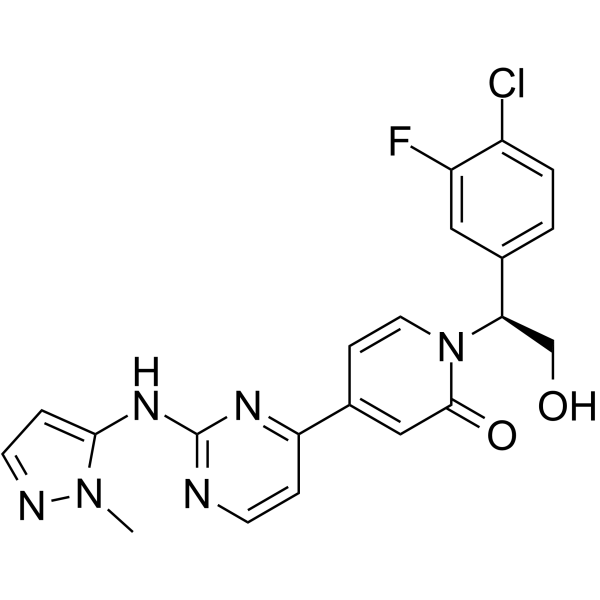 0 ImagesSynonyms: GDC-0994Ravoxertinib (GDC-0994) is an orally active ERK1/2 inhibitor. Ravoxertinib inhibits the ERK1/2 MAPK signaling pathway and reduces the expression levels of c-Myc, HK2 and LDHA. Ravoxertinib decreases mammosphere formation, and exerts additive and/or superadditive cytotoxicity when combined with Ipatasertib (HY-15186) in 3D tumor sphere models. Ravoxertinib can be used in research related to various cancers including breast cancer, melanoma, head and neck cancer, non-small cell lung cancer, ovarian cancer and Merkel cell carcinoma.
-
Oxamic acid
 0 ImagesSynonyms: Oxamidic acid
-
Galloflavin
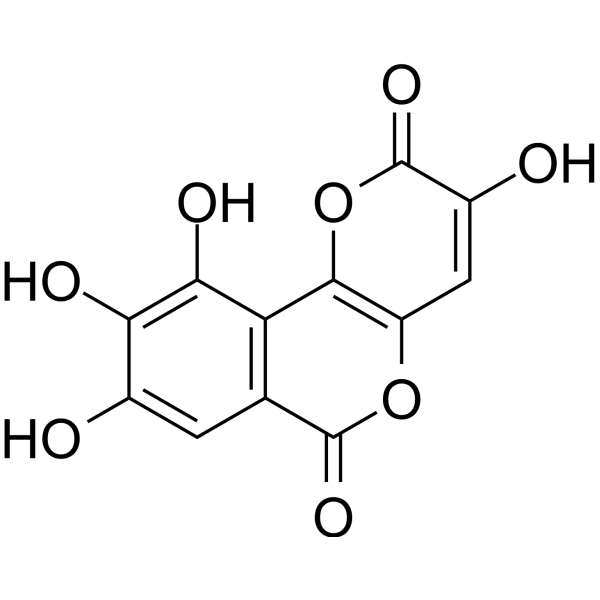 0 ImagesGalloflavin is a potent lactate dehydrogenase (LDH) inhibitor. The calculated Kis for pyruvate are 5.46 μM (LDH-A) and 15.06 μM (LDH-B). Galloflavin hinders the proliferation of cancer cells by blocking glycolysis and ATP production.
-
AXKO-0046
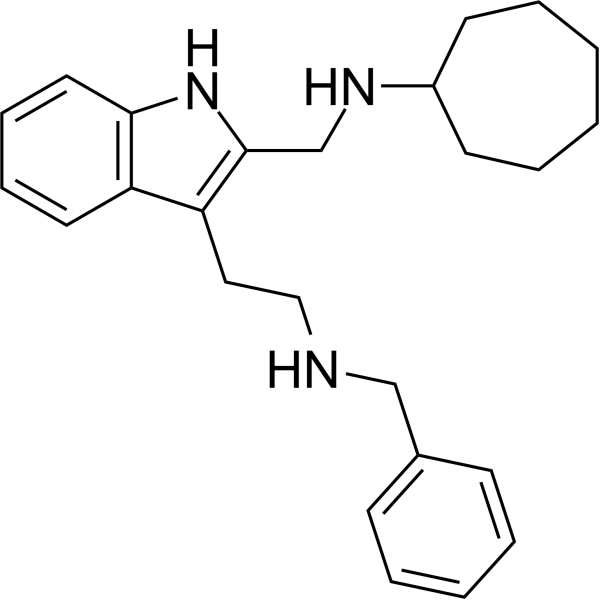 0 ImagesAXKO-0046, indole derivative, is an uncompetitive Lactate dehydrogenase B (LDHB) selective inhibitor.AXKO-0046 has LDHB inhibitory activity with an EC50 value of 42 nM.AXKO-0046 can be used for the research of cancer metabolism.
-
Lathosterol
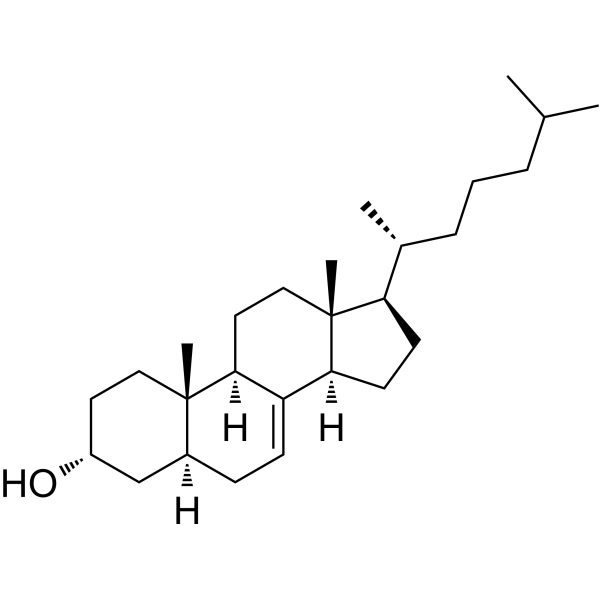 0 ImagesLathosterol is a plant sterol and cholesterol-like molecule. Lathosterol increases antioxidant enzymes (such as SOD, CAT, and GSH) and decreases LDH. Lathosterol has a hepatoprotective effect on mice with acetaminophen (HY-66005)-induced liver injury[1].
-
AGN 192403 hydrochloride
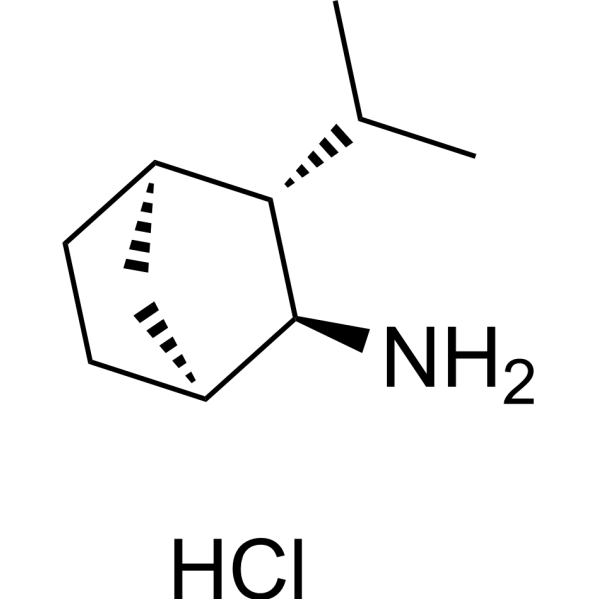 0 ImagesSynonyms: (+)-BRD4780AGN 192403 (BRD4780) hydrochloride is a potent and selective imidazoline-1 receptor antagonist with a Ki value of 42 nM. AGN 192403 hydrochloride is also a TMED9 inhibitor. AGN 192403 hydrochloride shows protective effects on oxidative cytotoxicity and mitochondrial inhibitor-induced cytotoxicity in astrocytes. AGN 192403 hydrochloride mitigates the proliferation and migration of differentiated glioma tumor cells. AGN 192403 hydrochloride can be used for glioma tumor and neurological diseases research.
-
GNE-140 racemate
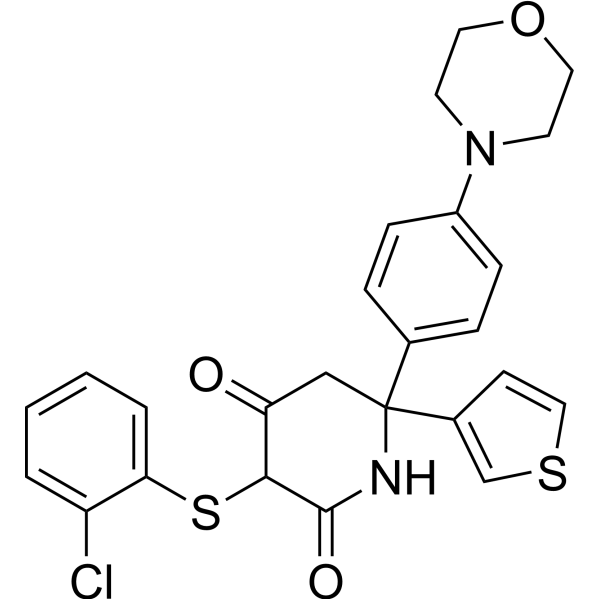 0 ImagesGNE-140 racemate is a racemic mixture of (R)-GNE-140 (HY-100742A) and (S)-GNE-140 (HY-100742B), and also a tautomer of GNE-140 (HY-118241). GNE-140 racemate is an orally active lactate dehydrogenase inhibitor, with an IC50 of 3 nM against human LDHA and an IC50 of 5 nM against LDHB. GNE-140 racemate reduces the phosphorylation level and total protein expression of p38 MAPK, and inhibits EGF-induced AKT phosphorylation. GNE-140 racemate decreases lactate production, regulates glycolysis, the pentose phosphate pathway and nucleotide biosynthesis, increases extracellular pH, inhibits cell proliferation, migration and invasion, and induces caspase-3 activation and ROS accumulation. GNE-140 racemate can be used in research related to breast cancer, cystic fibrosis and pancreatic cancer.
-
4-(Dimethylamino)phenol
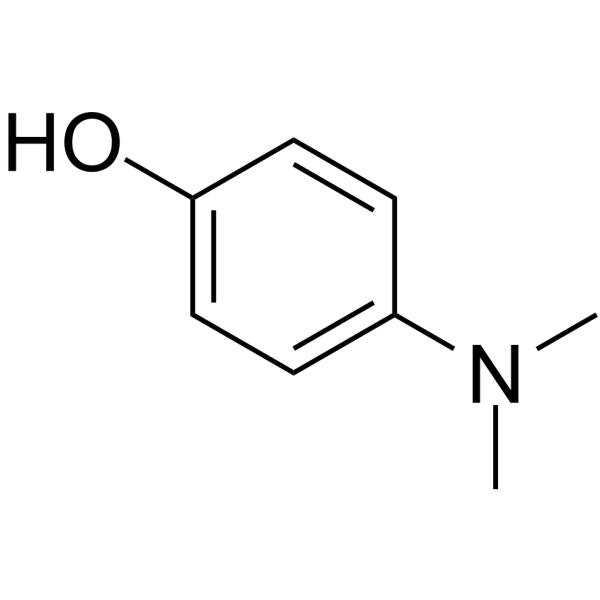 0 Images4-(Dimethylamino)phenol is a potent cyanide antidote. 4-(Dimethylamino)phenol increases the extracellular lactate dehydrogenase (LDH) without markedly affecting gluconeogenesis. 4-(Dimethylamino)phenol cannot decreases the ATP content until the membrane becomes permeable to LDH. 4-(Dimethylamino)phenol’s toxicity is related to its reaction with glutathione and formation of covalent complexes, leading to impaired cellular function.
-
Germacrone
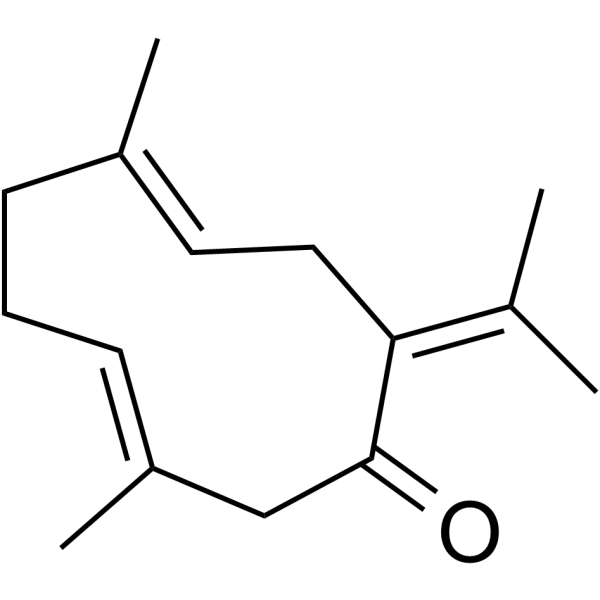 0 ImagesGermacrone is a sesquiterpene compound with multiple biological activities. Germacrone inhibits the H1N1 and H3N2 influenza A virus and the influenza B virus. Germacrone blocks the progressionof arthritis by regulating Th1/Th2 balance and inhibiting NF-κB signaling. Germacrone can arrest the cell cycle at G0/G1 and G2/M phases and induce apoptosis in breast cancer cells. Germacrone inhibits 5α-reductase and has anti-androgenic effect. Germacrone has neuroprotective functions and can be used for the study of traumatic brain injury (TBI). Germacrone also has antioxidant activity.
-
Nedosiran sodium
 0 ImagesCat. No.: HY-132606ACAS No.: 2247026-22-6Synonyms: DCR-PHXC sodiumNedosiran (DCR-PHXC) sodium is an RNA interference (RNAi) targeting lactate dehydrogenase (LDH). Nedosiran sodium represents an impactful potential therapeutic for primary hyperoxaluria (PH) with end-stage renal disease (ESRD). Nedosiran sodium is a GalNAc-dsRNA conjugate.
-
LDHA-IN-3
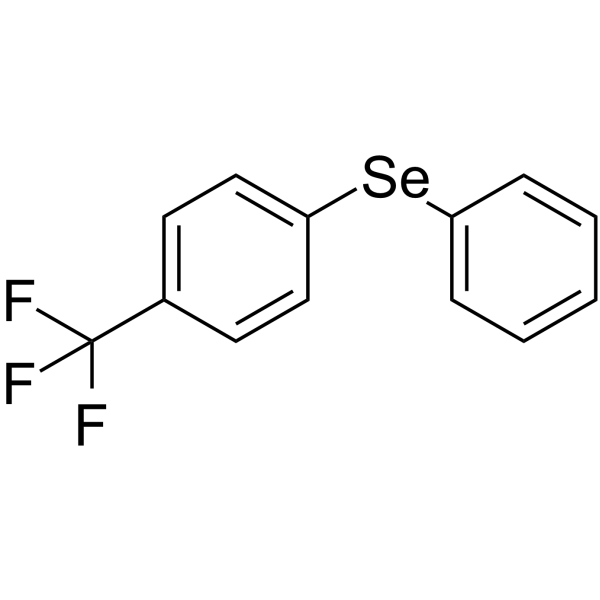 0 ImagesLDHA-IN-3 (compound 2), as a selenobenzene compound, is a potent, noncompetitive lactate dehydrogenase (LDHA) inhibitor (IC50=145.2 nM). LDHA-IN-3 can be used for the research of cancer.
-
LDH-IN-1
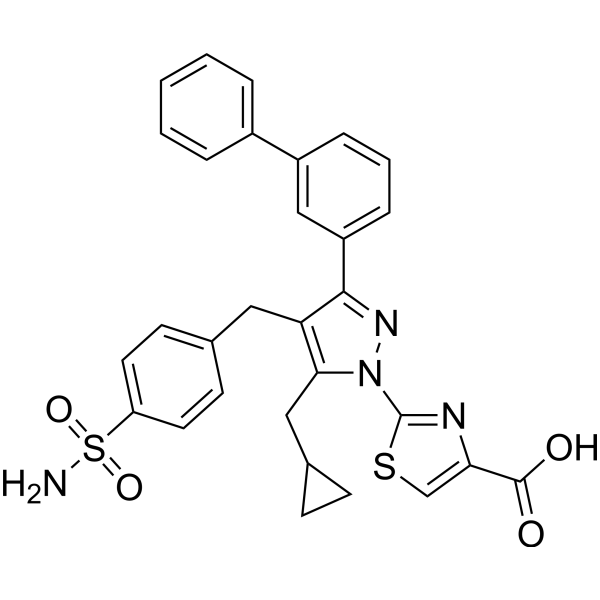 0 ImagesLDH-IN-1 is a novel pyrazole-based inhibitor of human lactate dehydrogenase (LDH) with IC50s of 32 and 27 nM for LDHA and LDHB, respectively.
-
Sodium mercaptopyruvate
 0 ImagesSodium mercaptopyruvate serves as a substrate for Lactate dehydrogenase and Sulfurtransferase. Sodium mercaptopyruvate forms through enzymatic transamination and oxidative deamination of L-cysteine (HY-Y0337). Sodium mercaptopyruvate abolishes lactate dehydrogenase reaction activity. It increases urinary thiosulfate excretion, fails to sustain rat growth by replacing L-cystine (HY-N0394), and does not induce morbidity or mortality in mice. Sodium mercaptopyruvate is applicable to research related to 3-mercaptopyruvate disulfiduria and 3-mercaptolactate disulfiduria.




